The shoulder that doesn’t heal: the case that changed the way I look at orthopedics
How a hidden metabolic pattern was preventing “normal” tendonitis from healing – and what I did differently
A patient who did not expect anything different
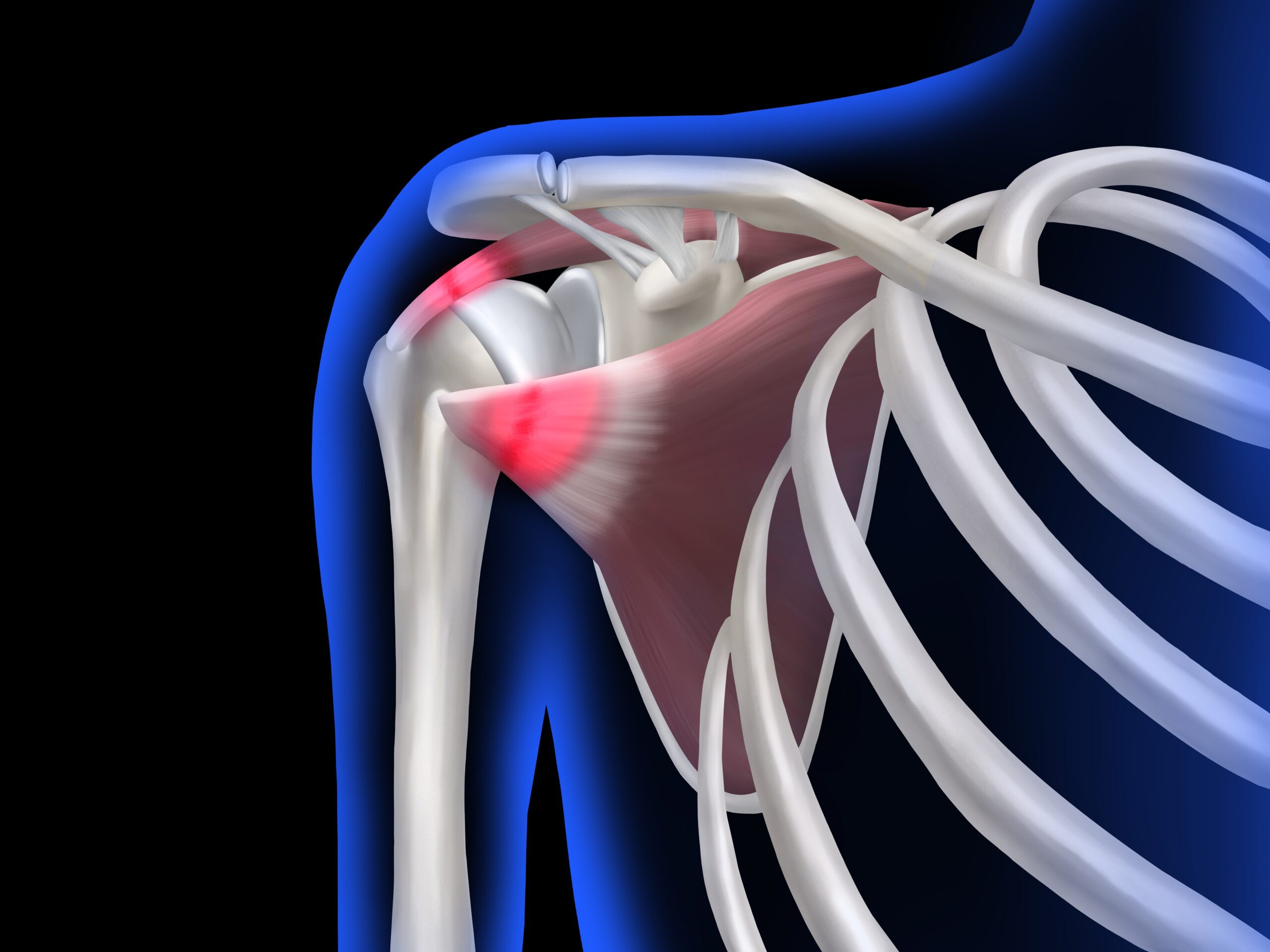
When he entered my office, he was already resigned. Sixty years old, right shoulder tendinitis diagnosed by MRI. One year of pain. A full course of cortisone infiltrations – almost no results. Physiotherapy – partial improvement, then everything as before. Pain woke him up at night. He could not raise his arm above his head.
He had come on the advice of a friend, but he was skeptical. A practical man, used to classical medicine, who trusted numbers and tests. His wife, a physician, knew me from my days working in the hospital and had encouraged him to come. He was there because she thought I was a sensible person despite my unconventional approaches.
He did not expect anything different from what he had already heard.
The diagnosis was right. The problem was elsewhere.
This is the point that many people struggle to understand: the orthopedic diagnosis was correct. There was indeed tendinitis. The MRI did not lie. The treatments he had received were appropriate for that diagnosis.
The problem was that no one had looked for why that tendonitis was not healing (and why it had appeared in the first place).
A tendon becomes inflamed when it is overloaded relative to what it can handle. Cortisone lowers inflammation. Physical therapy works on the load. But if there is something in the system that keeps that overload active-something away from the shoulder-any local treatment will give only temporary relief.
What the systemic evaluation showed
Applying the Systemic Orthopedics protocol, something emerged that no one had looked for: a metabolic pattern compatible with a sensitivity to stimulants and milk protein. Not an allergy, not a disease. A response of the autonomic nervous system that maintained a chronic level of muscle inflammation and tension on the supraspinatus — preventing the tendon from healing despite proper local treatments.
In practical terms: coffee, cocoa, tea, alcohol, coca-cola, and dairy products were fueling a systemic inflammatory response that the tendon, already under pressure, was unable to clear.
My prescription was not a medication. It was not a manual therapy. I asked him to eliminate those foods for a month and supplement with high doses of B-complex.
He looked at me as if I had said something absurd. I understood him perfectly. But he agreed.
The result after thirty days
Reassessment after one month: 90% of pain gone. Full motion recovered.
He told me that all month his friends had been teasing him at the bar because he didn’t drink with them. They told him that nutrition could have nothing to do with a shoulder. But he had done what I told him. And he was happy.
Because I tell you this case
Not because it is exceptional. Because it is frequent.
Every week I see people with correct diagnoses, correct treatments, and pain that doesn’t go away. The cause is almost never where everyone was looking. Finding that origin requires a broader look-a look that integrates classical orthopedics with reading about the autonomic nervous system, metabolism, nutrition.
That is why I developed Systemic Orthopedics. Not to replace orthopedic medicine – but to give it the look that it often lacks.
Do you want to understand the cause of your pain?
If you, too, have already had physical therapy, infiltrations or other treatments without getting a lasting solution, it might be worth looking further from where you feel pain. Book an evaluation – online or in-person – and let’s start looking for the real cause.