Chronic back pain: why the problem is often not in the back
The link between intestine, stomach and column that X-ray cannot see
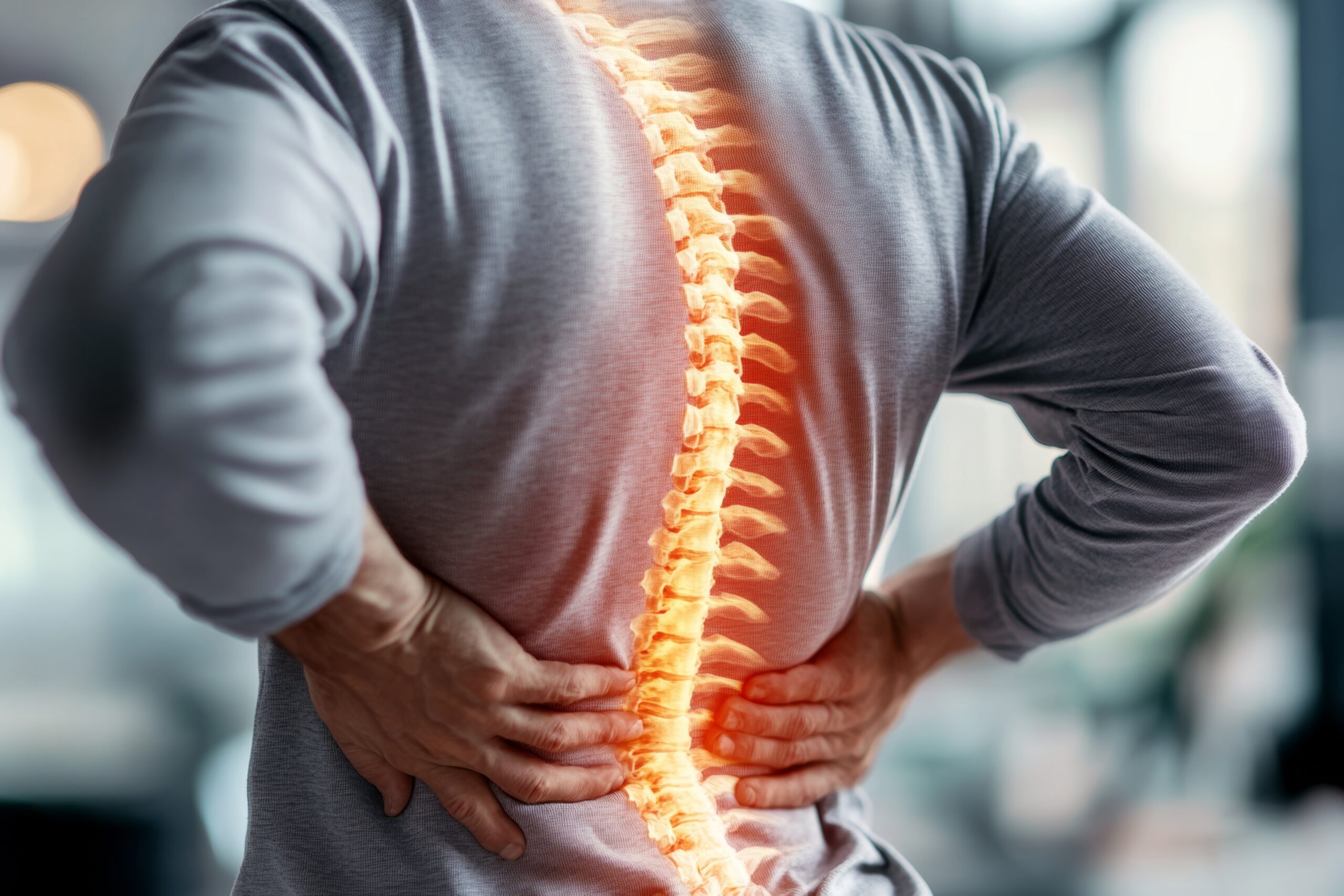
Back pain is the number one cause of disability in the world. Yet we often treat it in the wrong place.
Painkillers, physical therapy, manipulation. When it goes well, the pain goes away. But then it comes back – often after a few weeks, a few months. As if there is a switch that no one can find. In many chronic cases, that switch is not in the back. It is in the gut.
The muscles that hold the column upright
To understand the mechanism, we need to start with functional anatomy. The most important muscles for the stability of the lumbar spine are the psoas and the quadratus lumborum. They are not the only ones, but they are the largest in the lumbar area along with the sacrospinals.
When these muscles do not function properly, the lumbar spine loses its active stability. Every time we move, abnormal micro-movements occur on the intervertebral discs. These micro-movements cause two things in parallel: inflammation and microdamage to the disc, and response muscle contracture-the body tries to hold everything still by activating other muscles as compensation.
In the immediate we feel mostly contracture: pain, stiffness, limitation of movement. Over time, the sum of all these micro-damages can injure the fibrous part of the disc-the “protrusion” we know, which can evolve into herniation and compress a nerve root causing sciatica.
The connection that the X-ray doesn’t see
Here comes the part that changes everything. Both the psoas and the quadratus lumborum have very strong functional connections with the intestines-particularly the colon.
In the language of Systemic Orthopaedics, this means that when the gut is not working well — due to dysbiosis, SIBO, chronic mucosal inflammation, improper nutrition — the muscles of lumbar stability can lose their functional tone. Not because they are damaged. Because the autonomic nervous system, which regulates both, receives a signal of dysfunction and redistributes priorities.
The column becomes unstable. The discs become overloaded. Pain comes.
In cases of recurrent back pain-the kind that gets better and then comes back-the gut factor is almost always decisive.
How it manifests in clinical practice
I am not talking about people diagnosed with irritable bowel syndrome or inflammatory bowel disease. I am talking about people who have a “fairly” functioning bowel-a little sluggish, some bloating after meals, a few episodes of diarrhea or constipation that they take for granted.
These are the signals that a suboptimal digestive system is sending to the whole body, including the back muscles.
In evaluation with the systemic protocol, a clear pattern often emerges: functional weakness of the psoas and quadratus lumborum in association with an altered gut response. By correcting the gut-through nutrition, supplementation, removal of problematic foods-the muscles regain tone, the spine becomes stable again, and pain decreases.
What you can do
If your back pain is recurrent and local treatments provide temporary relief, it is worth considering the gut as a possible co-cause. Some helpful questions to ask yourself:
Do you have frequent episodes of abdominal bloating, bowel irregularity, slow digestion?
Does back pain get worse during times of stress or when you eat certain foods?
Did the pain appear or worsen in conjunction with a change in diet or a period of antibiotics?
If the answer is yes to one or more of these questions, an evaluation that integrates the orthopedic aspect with the metabolic and intestinal aspects might give you answers that radiography alone cannot.
Do you want to understand the cause of your pain?
An evaluation with Systemic Orthopedics starts with exactly this kind of integrated reading. You can book it online from anywhere-you don’t need to come to the clinic to begin to understand.